We may earn revenue from the products available on this page and participate in affiliate programs. Learn More ›
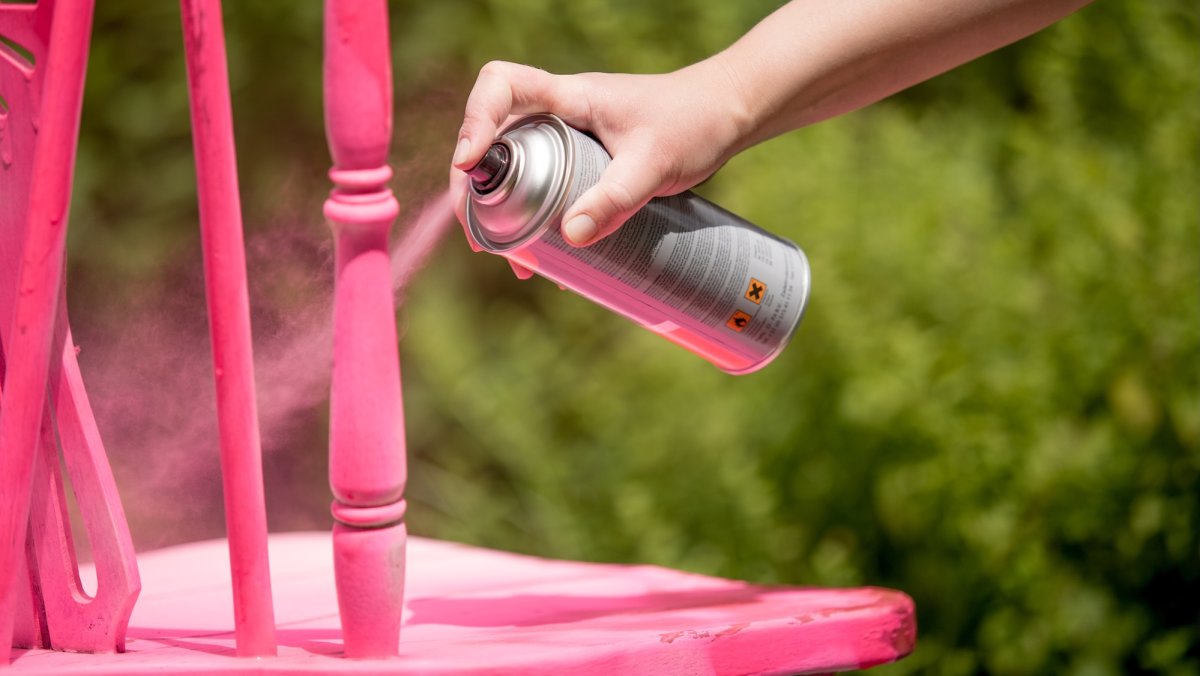
When you need a quick, cool upgrade that doesn’t cost a bundle, spray paint is hard to beat. A host of exciting new hues and finishes have taken spray paint to the next level, and you can use it on all sorts of surfaces, from concrete blocks and stepping stones to wood, plastic, or metal furniture. But getting pro-quality results does take a bit of skill, so read on before you spray away!
1. DO choose the right place to paint.
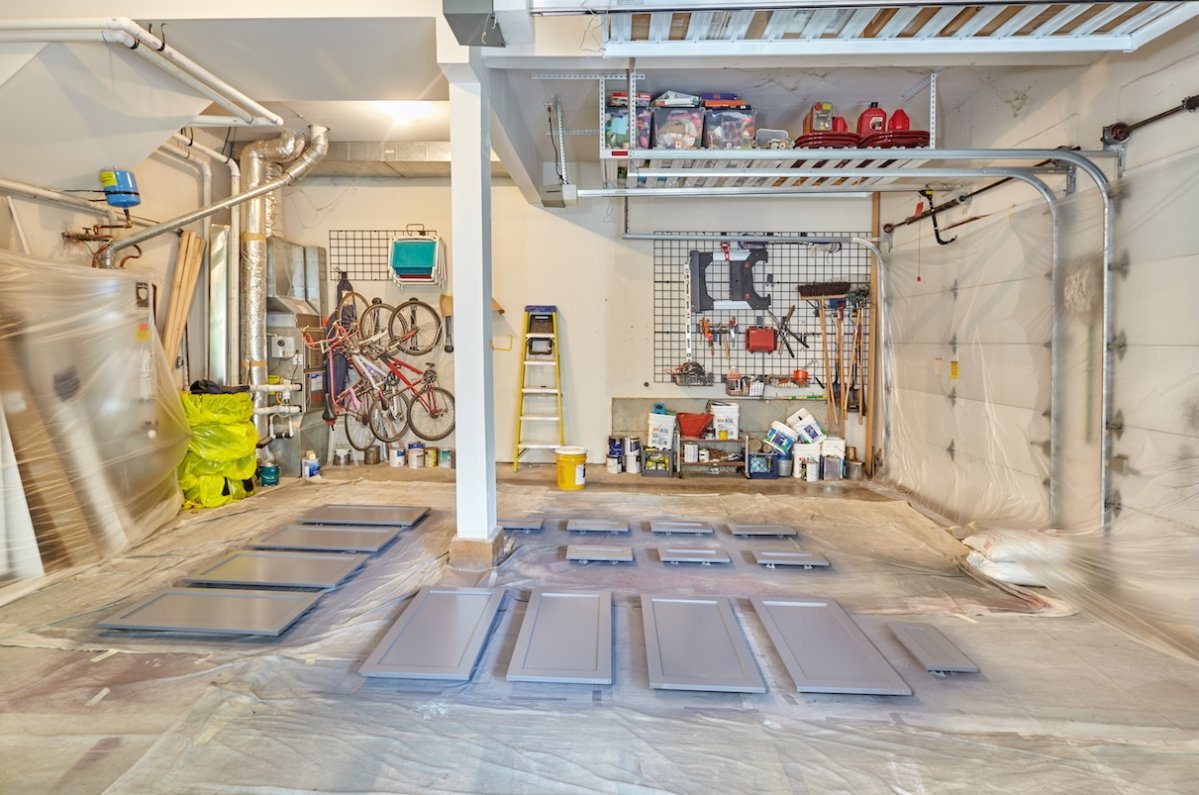
As with any painting project, good ventilation is key. If the weather is nice and it’s not too windy, can paint outside. (Too much of a breeze can cause uneven coverage, or blow dirt onto your piece.) If you’re working indoors, open all windows in the room or paint in the garage, near the open door.
2. DON’T neglect prep work.
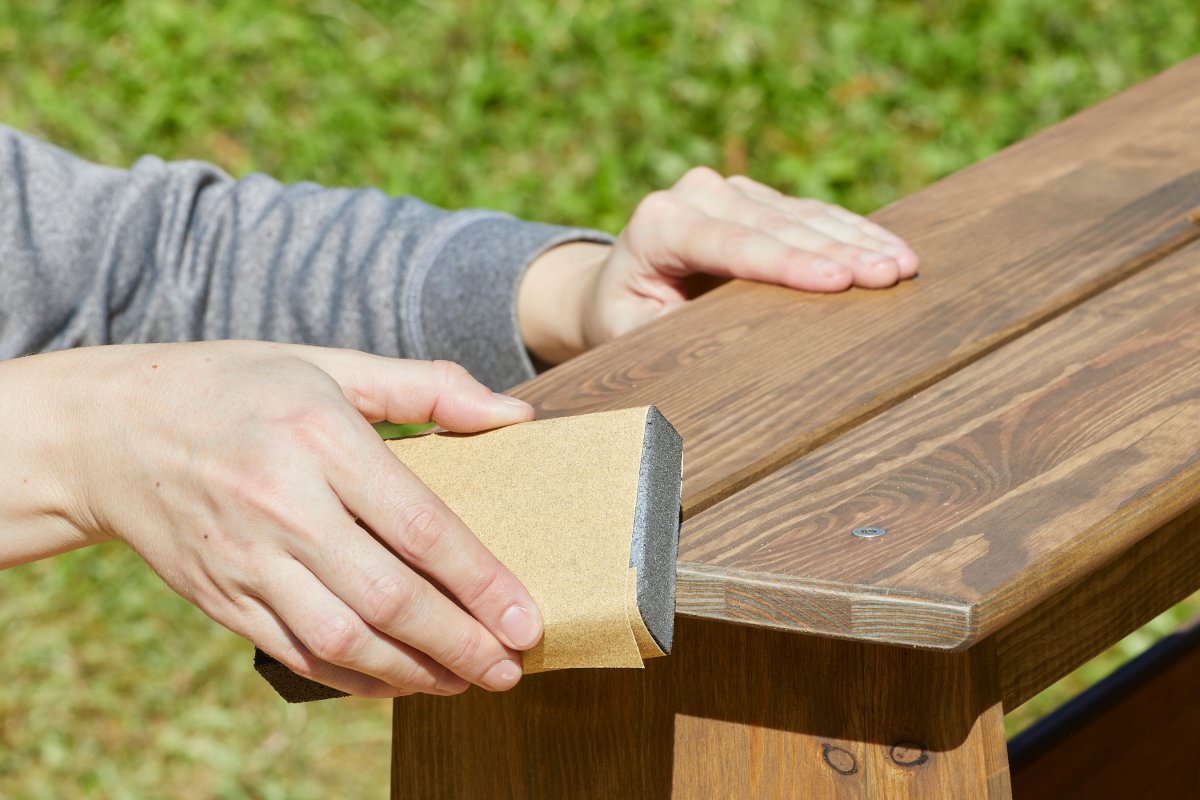
Preparation is key to any successful paint job. Mend any scratches or holes, then sand to smooth out rough spots. Wash your piece with a mild detergent solution, rinse with water, and allow it to dry thoroughly.
3. DO practice protection.
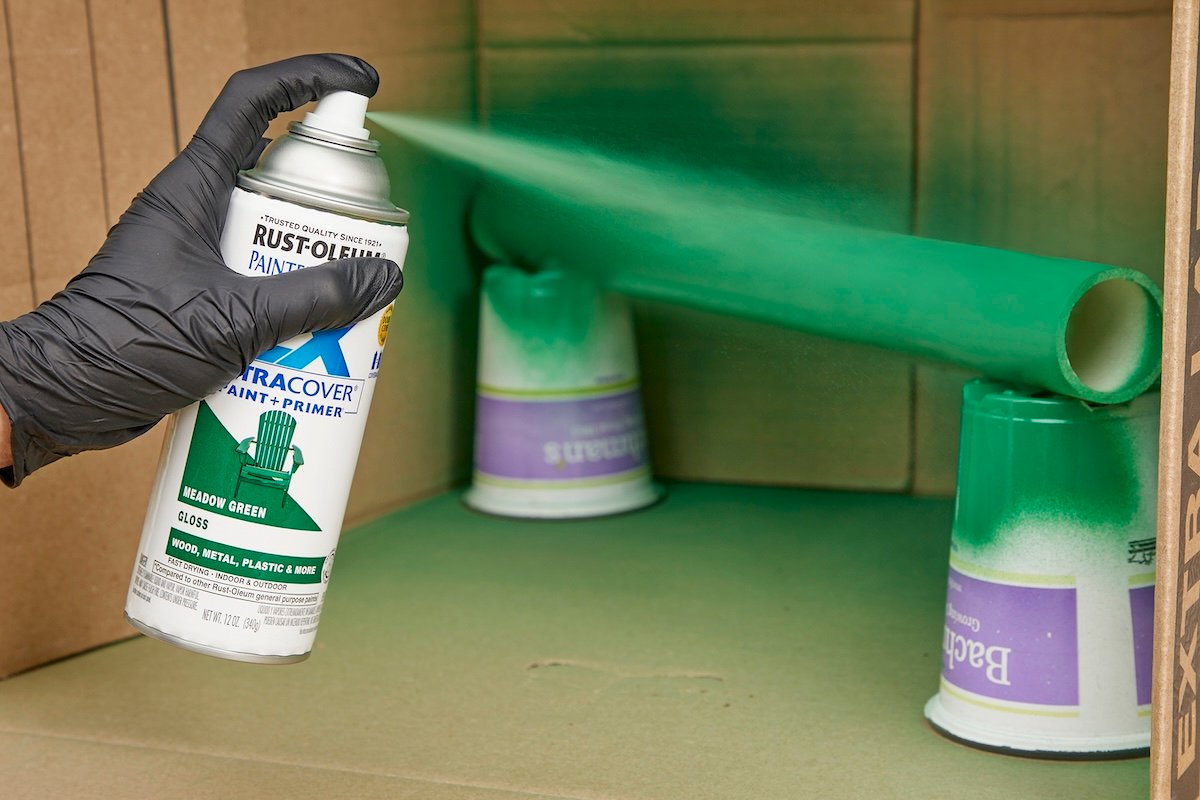
When you’re spray painting there’s always overspray, which is why it’s important to cover the surrounding area with drop cloths or newspaper. If you’re painting a small item, contain overspray by setting the piece inside a cardboard box. Perhaps more crucial is protecting yourself. Aerosol paint can get into eyes and lungs, so wear goggles and a dust mask or respirator. Gloves are a good idea, too, and remember that overspray on the floor can stick to the bottom of your shoes—remove footwear and check your soles before leaving the area to avoid tracking paint.
Best Gloss Spray Paint
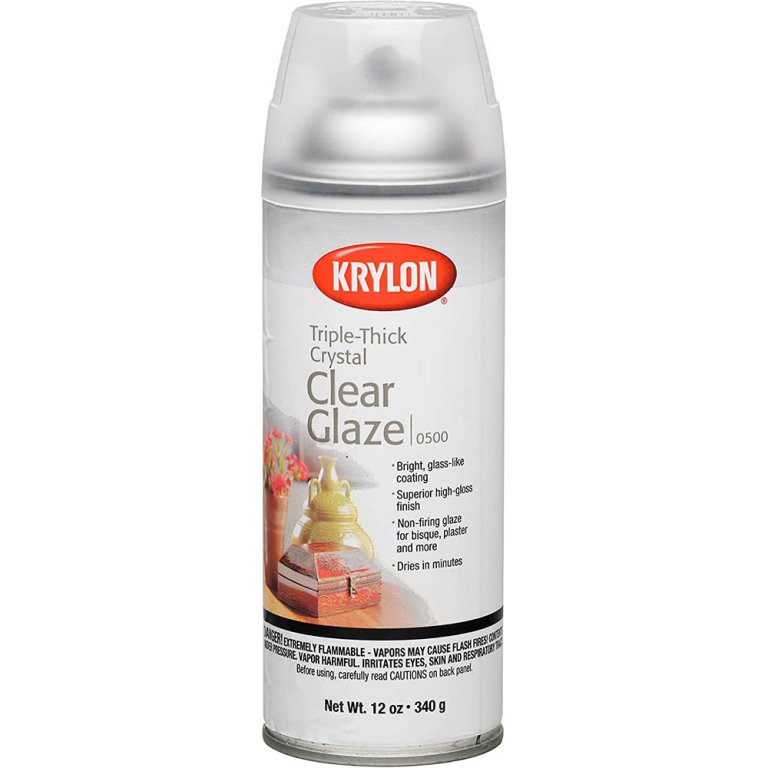
Krylon Triple-Thick Clear Glaze Spray Paint
The Krylon clear glaze spray paint leaves a shiny finish on wood, plaster, metal, plastic, and ceramic. Read our full review.
Buy at Amazon4. DON’T rush the job.
For optimal, even coverage, apply spray paint in several thin coats. Don’t worry if you can see through the first or even the second coat. Patience is a virtue here.
5. DO use a sweeping motion.
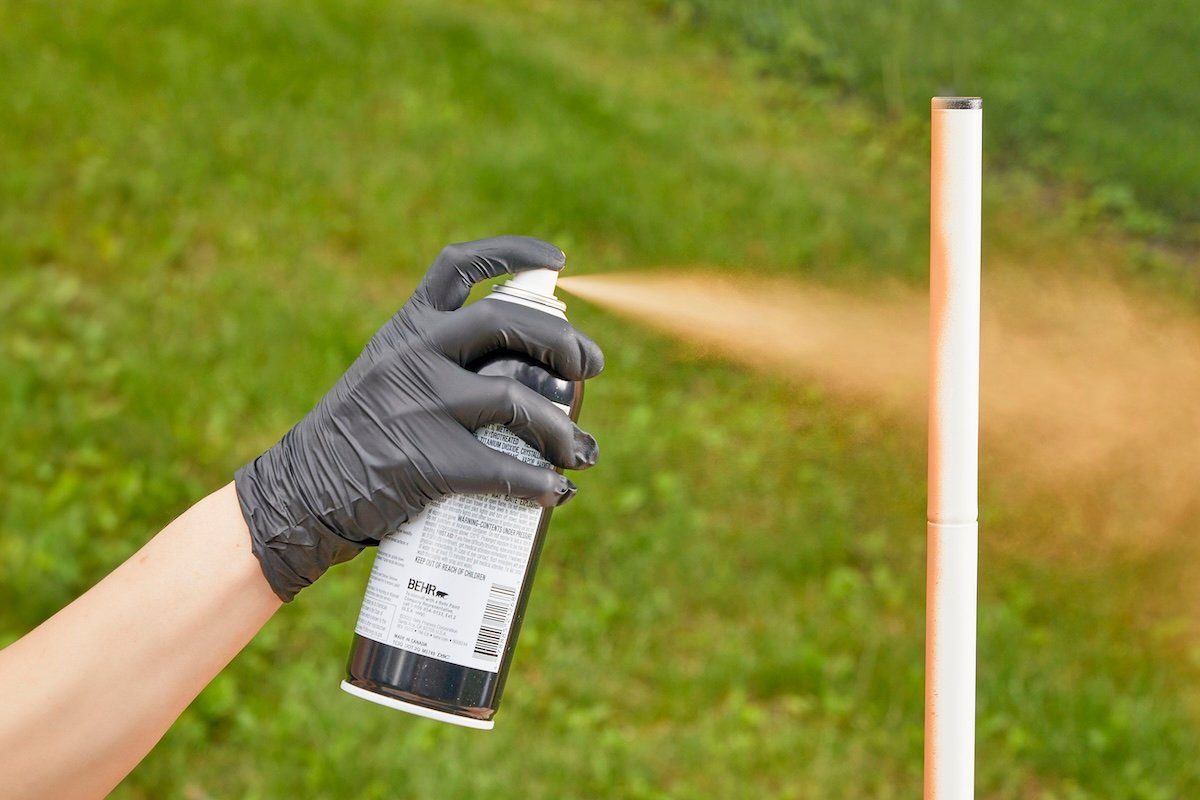
Waving the can randomly will result in uneven results. Instead, hold the can 6 to 8 inches from the surface and use even, horizontal strokes, sweeping from left to right, then right to left. Don’t pause in any one spot or the paint will drip.
6. DON’T spray continually.
To avoid glops and spots—and to conserve paint—spray in short spurts rather than a constant stream. Listen for brief bursts of air coming from the can, as opposed to a long, steady hiss.
7. DO allow the paint to cure completely.
Spray paint does dry quickly, but it usually requires at least 24 hours to cure completely. Resist the urge to move your piece or replace any hardware you’ve removed until you’ve reached the curing time indicated on the can. A scratch or fingerprint late in the game will be difficult to fix.